
The Allure of Risk: Understanding the Thrill
The thrill of gambling lies at the core of many casino game choices. Individuals are often drawn to games that offer high stakes and the potential for significant rewards. This allure of risk taps into human psychology, where excitement and adrenaline play crucial roles. Depending on their personality traits, some people are more inclined to engage in high-risk games like poker or blackjack, where skill and strategy are essential, while others might prefer games of chance such as slots, where the outcome is purely based on luck. In recent years, the emergence of crypto casinos online has provided players with even more options for high-stakes excitement.
This pursuit of excitement can lead to a form of escapism, allowing players to momentarily forget their everyday worries. The dopamine release from the anticipation of winning can create a compulsion, driving individuals to engage more deeply with these games. Understanding these psychological triggers provides valuable insights into why people consistently make certain choices in casinos.
The Role of Cognitive Biases
Cognitive biases significantly influence how players make decisions in casino environments. The illusion of control is one such bias, where individuals believe they can affect the outcome of a game through their actions, despite the inherent randomness. For example, a player might think that their strategic betting will improve their chances in a game of roulette, leading them to favor games that allow them to feel they have some control over the situation.
Another common bias is the gambler’s fallacy, where players might believe that past outcomes influence future results. This can lead individuals to make irrational choices, such as betting on a number in roulette because it has not appeared recently. These cognitive biases create a fascinating interplay between perception and reality in gambling, affecting how individuals choose and engage with different games.
Emotional Engagement in Game Selection
The emotional aspect of gambling is profound, as many players choose their games based on personal feelings and experiences. Certain games may evoke nostalgia, reminding individuals of past successes or enjoyable times spent with friends. This emotional engagement can greatly influence game selection, as players might gravitate towards familiar options that provide comfort and joy. The connection between emotions and gambling choices highlights how personal experiences shape preferences.
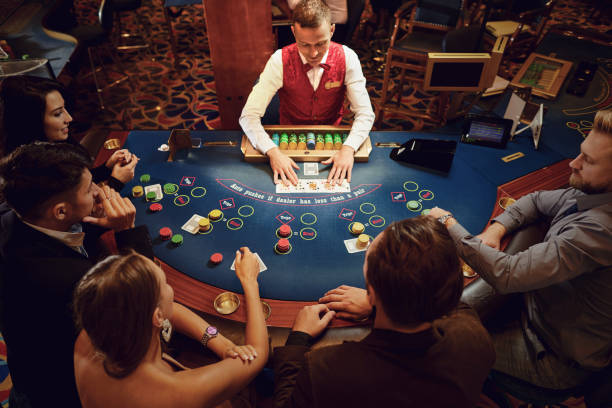
Furthermore, the social aspect of casino games adds another layer to this emotional engagement. Games like poker or blackjack often involve interaction with others, creating a sense of community. This social dynamic can enhance the enjoyment of the game, leading individuals to choose these options over solitary pursuits such as slot machines, which may feel isolating. Understanding these emotions helps to explain why gamers are drawn to particular types of games within a casino.
Marketing Influence on Game Choices
The marketing strategies employed by casinos play a critical role in shaping player preferences. Promotions, bonuses, and advertising can create a favorable perception of specific games, influencing choices before players even enter the casino. For instance, attractive graphics and engaging themes in slot machines can draw individuals to try them, even if they are otherwise inclined toward table games.
Additionally, the placement of games within a casino can sway decisions, as popular or visually appealing games attract more attention. This strategic positioning is designed to capitalize on human psychology, drawing players toward certain games and enhancing the overall gambling experience. By understanding these marketing influences, casinos can effectively guide player choices and increase engagement.
Conclusion: The Complex Landscape of Casino Choices
Exploring the psychology behind casino game choices reveals a multifaceted landscape shaped by risk, cognitive biases, emotional engagement, and marketing tactics. Each factor contributes to the intricate decision-making process that players undergo when selecting games. Understanding this complexity not only sheds light on player behavior but also emphasizes the importance of responsible gambling practices.
In this context, fostering a healthy relationship with casino gaming becomes essential for enhancing the enjoyment while minimizing the risks associated with gambling. Engaging with casinos that prioritize player well-being can help maintain a positive experience in the vibrant world of gaming.